What is robotics?
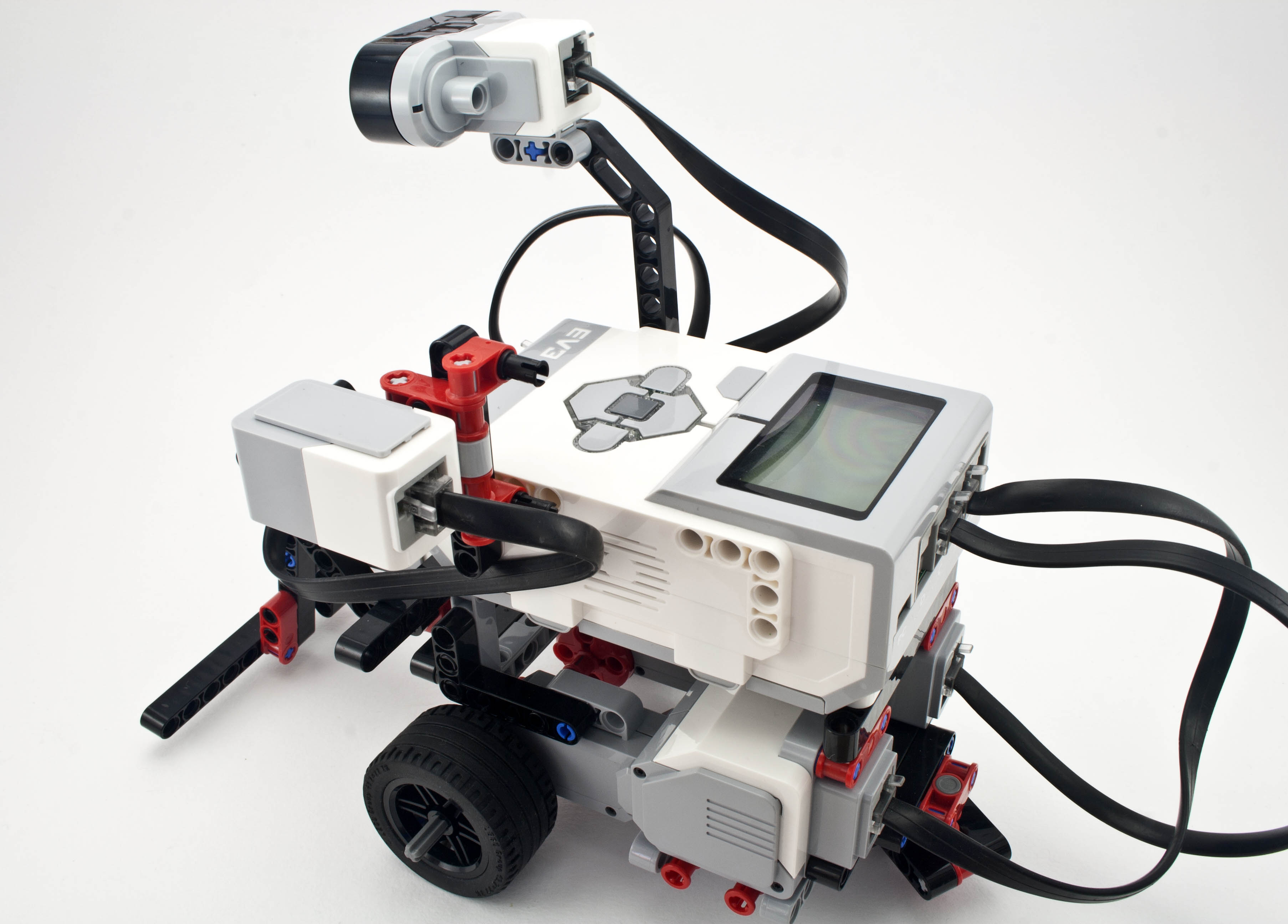
Robotics is an increasingly utilised and efficient technology used within all stages of the learning environment. It provides new ways of thinking to not only students; however, teachers in challenging effective pedagogy and modern learning. Alimisis, states robotics “enables students to control the behaviour of a tangible model by the means of virtual reality” (2012, pp. 7). The vast range of robots allows teachers to provide rich, hands-on learning experiences to challenge, motivate and explore student curiosity (Alimisis, 2012). Some of these include Dash and Dot, Ozobot, LEGO EV3 and Bee-Bots. In addition, robotics encourages the development of higher order thinking, as students’ design and problem-solve in STEM-related tasks (Chandra, 2014).


Bee-Bots and the classroom
Bee-Bots are programmable robots used in early years learning as they provide a four-step movement to complete a maze, puzzle or problem. These bee shaped robots are commonly used in early stage 1 to stage 1 as they are perfect for introducing basic robotics to young minds. They are used to encourage mastering computational thinking, critical thinking, collaboration and creativity (Williams, 2017). Williams promotes using Bee-Bots from Kindergarten to Year 5, as a grouped activity in STEM. Providing four roles in a group; the programmer, the input engineer, the debugger and the reporter (Williams, 2017, pp.46). This is an efficient method for implementing Bee-Bots in the classroom as it encourages teamwork and collaboration, critical developmental skills required in primary school learning (Chandra, 2014).
How can it foster creativity in the classroom?
Robotics provides a vast range of opportunities for students to develop and foster creativity in a variety of areas. It allows students to use robots to develop creative design and coding processes to overcome real-life scenarios. An alternate method to using bee-bots to foster creativity includes getting students to develop their own base maps, connected to a relevant topic across KLA’s. For example, Stage 3 developing a map to locate gold in the underground goldmine, using their Bee-Bots (HSIE).

Pedagogical Implications of robotics
The critical concerns risen in the literature concerning robotic pedagogy in the classroom is the inadequate pre and in-service training to teachers, time-consuming lessons, cost of the robotics and the lack to connection to required syllabus content (Khanlari, 2016; Benitti, 2012). However, Bianco’s (2014) research expresses the positive outcomes of overcoming time-consuming restraints and an ample amount of effort as a teacher to create beneficial lessons, resulting in developing life-long interpersonal skills for the students.
References
Alimisis, D. (2012). Robotics in Education & Education in Robotics: Shifting Focus from Technology to Pedagogy. Robotics in Education Conference, 2012. Retrieved from, https://pdfs.semanticscholar.org/be99/1d6cface636a180fa394ee621c2bb09df1e7.pdf
Benetti, F. B. V. (2012). Exploring the educational potential of robotics in schools: A systematic review. Computers & Education, 58(3), 978-988. doi: 10.1016/j.compedu.2011.10.006
Bianco, A. S. (2014). Starting and Teaching Basic Robotics in the Classroom: Modern, Engaging Engineering in Technology Education. Technology and Engineering Teacher, 73(7), 32-38.
Chandra, V. (2014). Developing students’ technological literacy through robotics activities. Literacy Learning: The Middle Years, .22(3), 24-29.
Khanlari, A. (2016). Teachers’ perceptions of the benefits and the challenges of integrating educational robots into primary/elementary curricula. European Journal of Engineering Education, 41(3), 320-330. doi: 10.1080/03043797.2015.1056106
Williams, H. (2017). Why Teach with Bee-Bots? No fear coding: Computational thinking across the curriculum. Retrieved from https://ebookcentral-proquest-com.simsrad.net.ocs.mq.edu.au
 EDUC362 Blog
Hi Maddie, you have written a very interesting article on the use of bee-bots in the classroom to provide rich and authentic learning opportunities. I have never heard about having four roles of people in the group to perform certain tasks, that is a great way to promote active engagement and teamwork.
LikeLiked by 1 person
Hi Maddy,
I enjoyed reading your post on Bee Bots. As a future secondary teacher, I confess I have provided myself with little exposure to Bee Bots as I don’t believe it would be particularly beneficial to high school students.
However I loved your idea about how Bee Bots can be used in Stage 3 to locate gold in an underground goldmine. This was not something I had considered, so thank you for that. I agree Bee Bots are a great way to introduce younger students to Robotics and computational thinking, and so long as teachers are provided with support and resources to integrate within classrooms, I believe there is nothing to stop them from being more widely integrated within NSW schools.
Good luck with the final few weeks of semester!
Thanks,
Ashleigh
LikeLiked by 1 person
Hi Maddy,
Aren’t Bee Bots cool for creating a robotics technology which can be used as early as stage one. I was afraid that with robotics it would be limited to older grades only but this shows that we really can include robotics in all stages. I like your idea of connecting robotics to different KLAs, this really entices me to bring robotics into my classroom if I could effectively do that.
Asha.
LikeLiked by 1 person